语言/Language
Chapter 5: Da Nang - Transition
"Next to Asia's most beautiful beach, I was wondering why coffee skins can also make tea"
2025.8.20 — 8.27
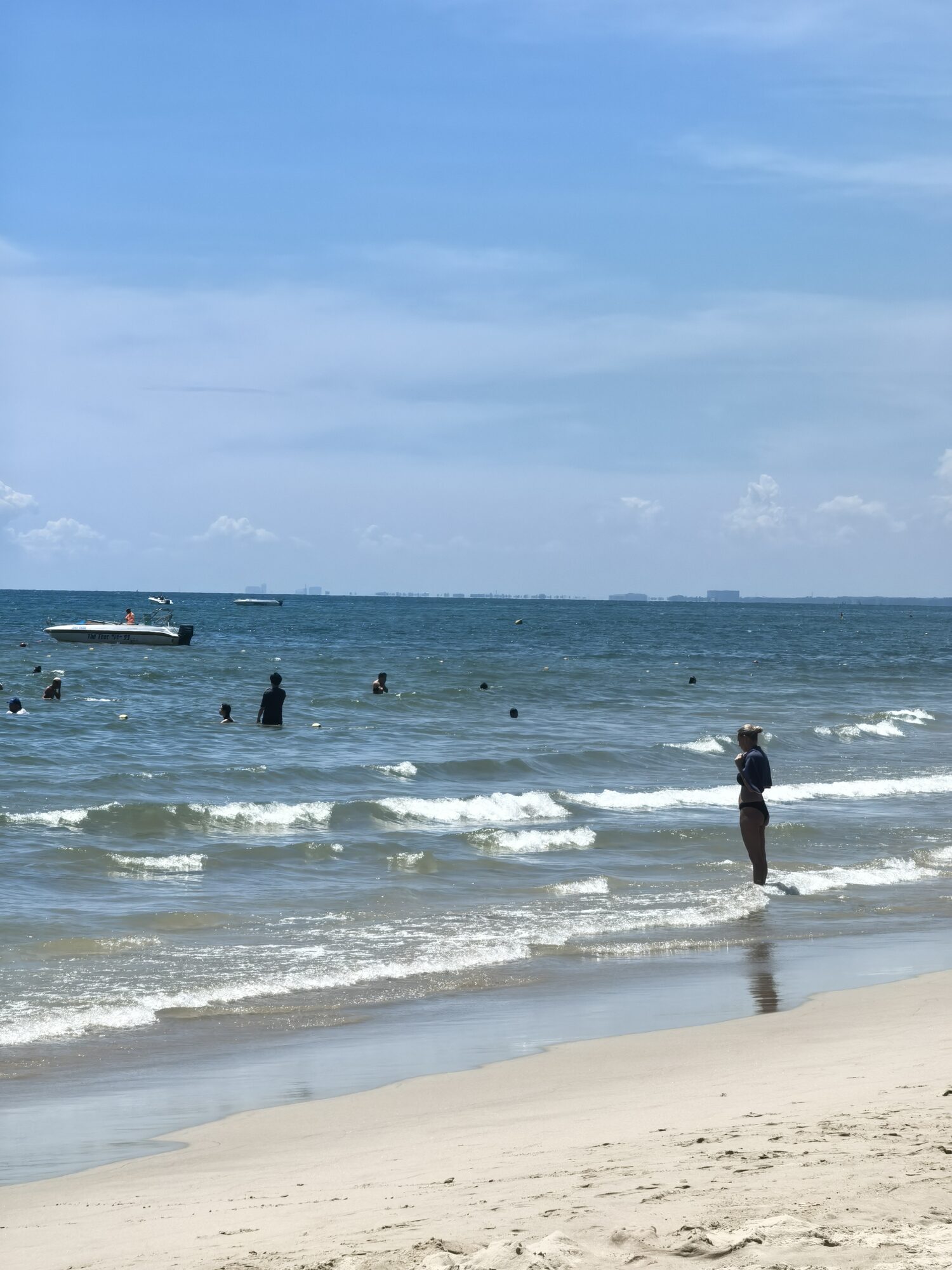
5.1 My Khe Beach
Reputedly one of Asia's most beautiful beaches.
I stood there, watching the white waves come up, then recede. Repeat, then repeat again.
The beauty of the beach isn't in how spectacular it is, but in how it washes your thoughts empty. It's hard to keep thinking about those unfinished things in the sound of waves, hard for anxiety to站稳 in the sound of waves.
I ran here, swam here, did nothing here.
Geographically, Da Nang is a transition—north is Hoi An and Hue, south is Da Lat and Nha Trang. It itself doesn't have the historical concentration of Hoi An, nor the quietness of Da Lat, but it has its own rhythm: more modern, more direct, more indifferent to leaving any impression.


5.2 Cascara Tea: Another Way of Understanding Coffee
In a café called WONDERLUST in Da Nang, I drank Cascara Tea.
Coffee beans come from coffee cherries. What's usually used is the seed inside—what we know as the coffee bean. But the skin and pulp of the coffee cherry, after drying, can be brewed into tea.
This is Cascara.
The taste is between tea and fruit tea, a bit sweet and sour, with a faint coffee aroma, but without coffee's bitterness. Drinking it feels like rosehip tea with a layer of coffee fruit breath.
Holding that cup of tea, I thought of something:
We're accustomed to dividing things into "useful" and "useless," then only using the "useful" parts, throwing away the "useless." Coffee cherry skin, in the "coffee logic," is waste, but in the "tea logic," it's raw material.
This isn't just a coffee problem.
Your "failures" back then, in the logic of the path you're walking now, might be waste, but in another logic, perhaps they're a particular kind of starting point. The problem isn't those "waste materials" themselves, but what framework you use to understand them.
5.3 NAM House: Echoes of Time
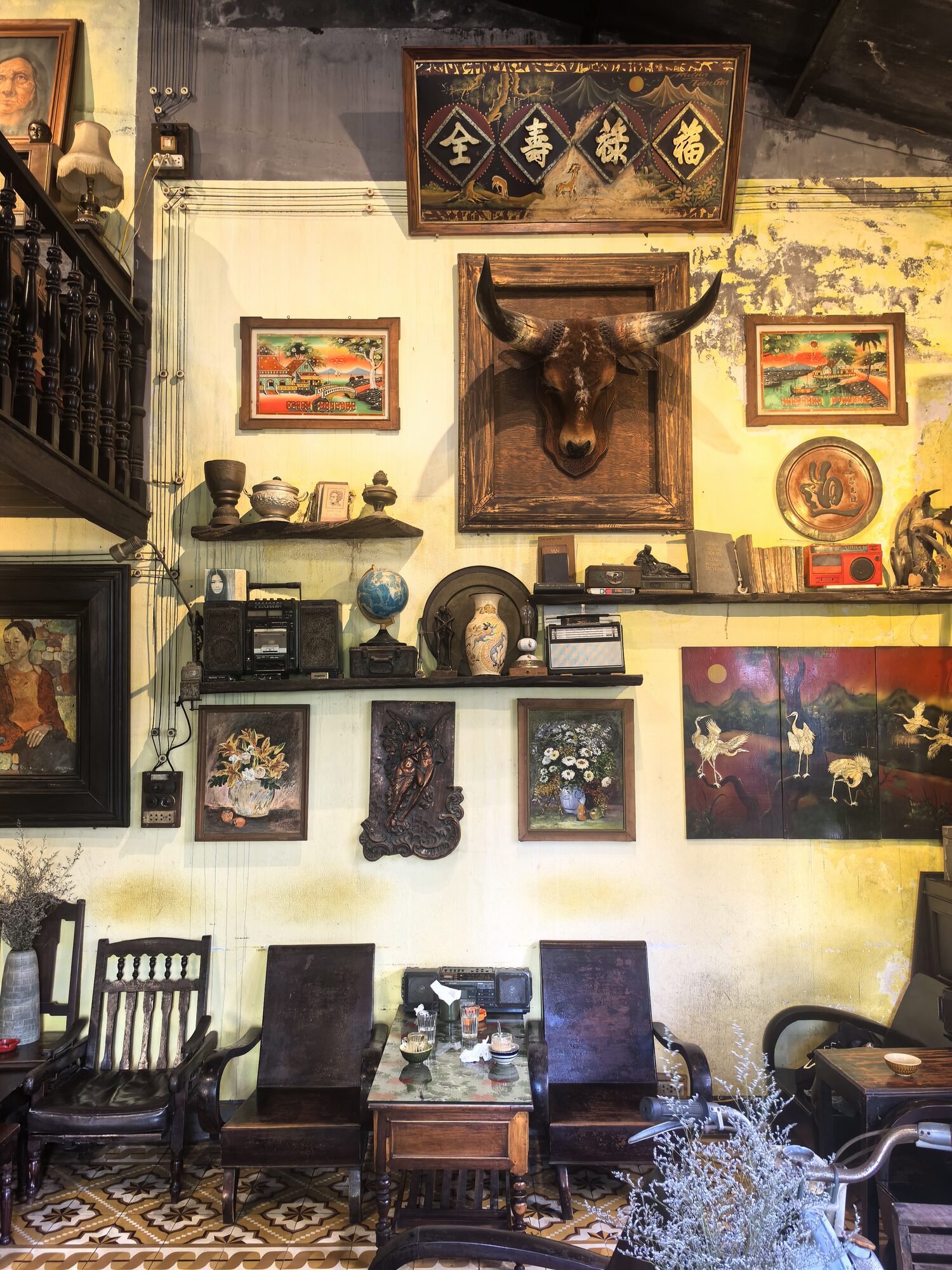
There's also a café in Da Nang called NAM House.
Retro style, old wood, old records, furniture with a sense of age. Playing Vietnamese old songs—very slow, very light, like returning to some place many years ago. Not old Shanghai, not entirely old Vietnam either, but a mixed, blurred past tense.
Sitting there, a strange sense of time enveloped me.
I wasn't sure if this "nostalgia" was real or designed. But I realized: these two things aren't contradictory. Designed nostalgia can also trigger genuine emotional responses. The memories that surface in your mind when you hear that song are real, even if the scene that triggered it was designed.
The authenticity of emotion doesn't depend on whether the thing that triggered it is real.
I sat in NAM House for two hours, thinking about nothing, just listening to the music. When I walked out, I felt time had passed for a long time, but also felt time had passed very quickly.
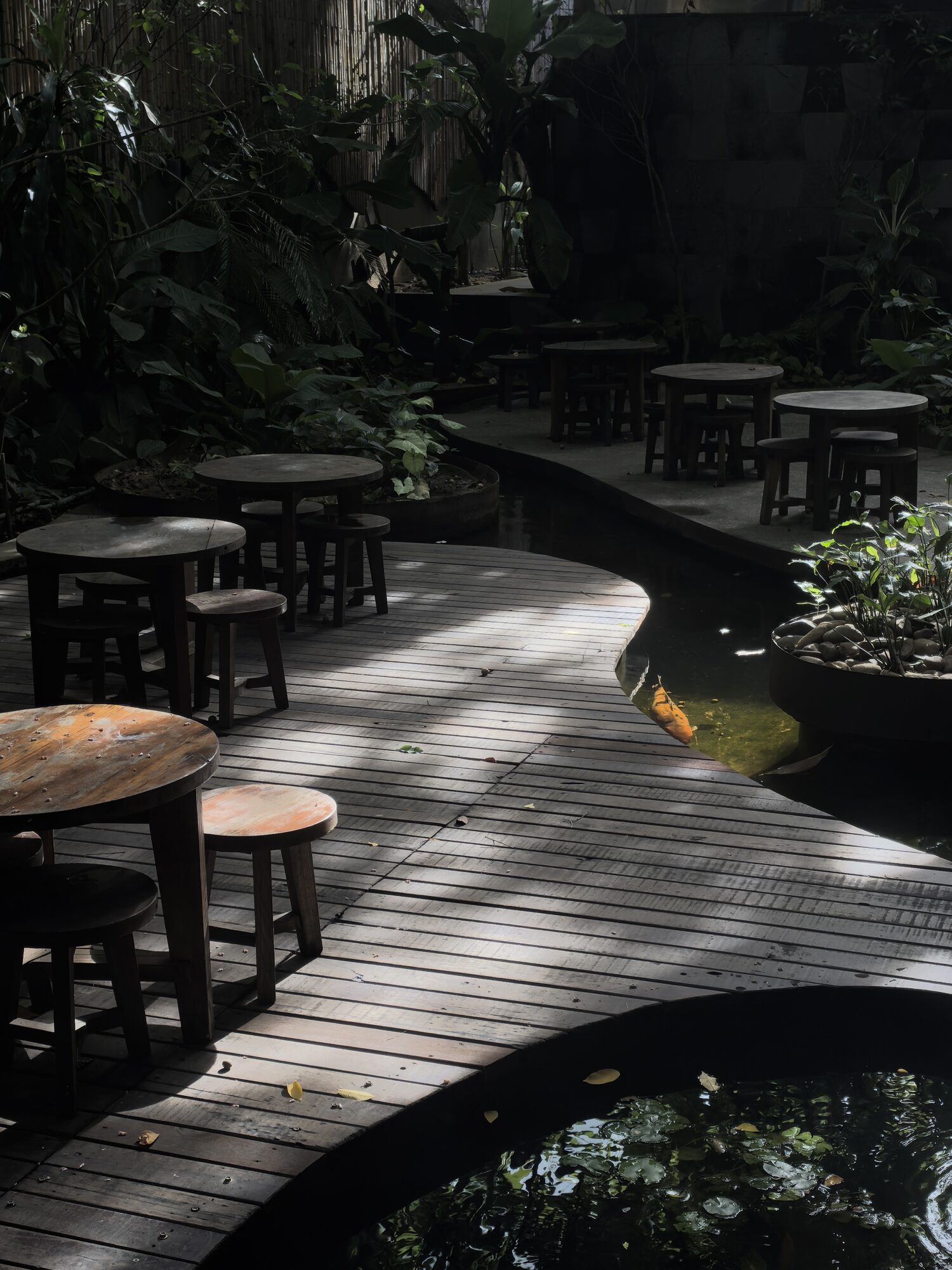
Da Nang is a transition, but this transition is important—it let me walk out of the emotional density of Hoi An, before arriving in Hue, to quiet down for a while.