语言/Language
Chapter 2: Da Lat - Stillness
"Da Lat, 23°C. A city tells you with low temperature: you can slow down now"
2025.7.22 — 8.3
2.1 Arrival
The bus pulled into Da Lat at dawn.
Temperature dropped sharply to 23°C. From the 35°C motorbike torrent of Ho Chi Minh City, suddenly entering this quiet highland city—probably because it just rained, or maybe the different bodily sensation from the altitude here: cool, humid, foggy, pine scent mixed in the air.
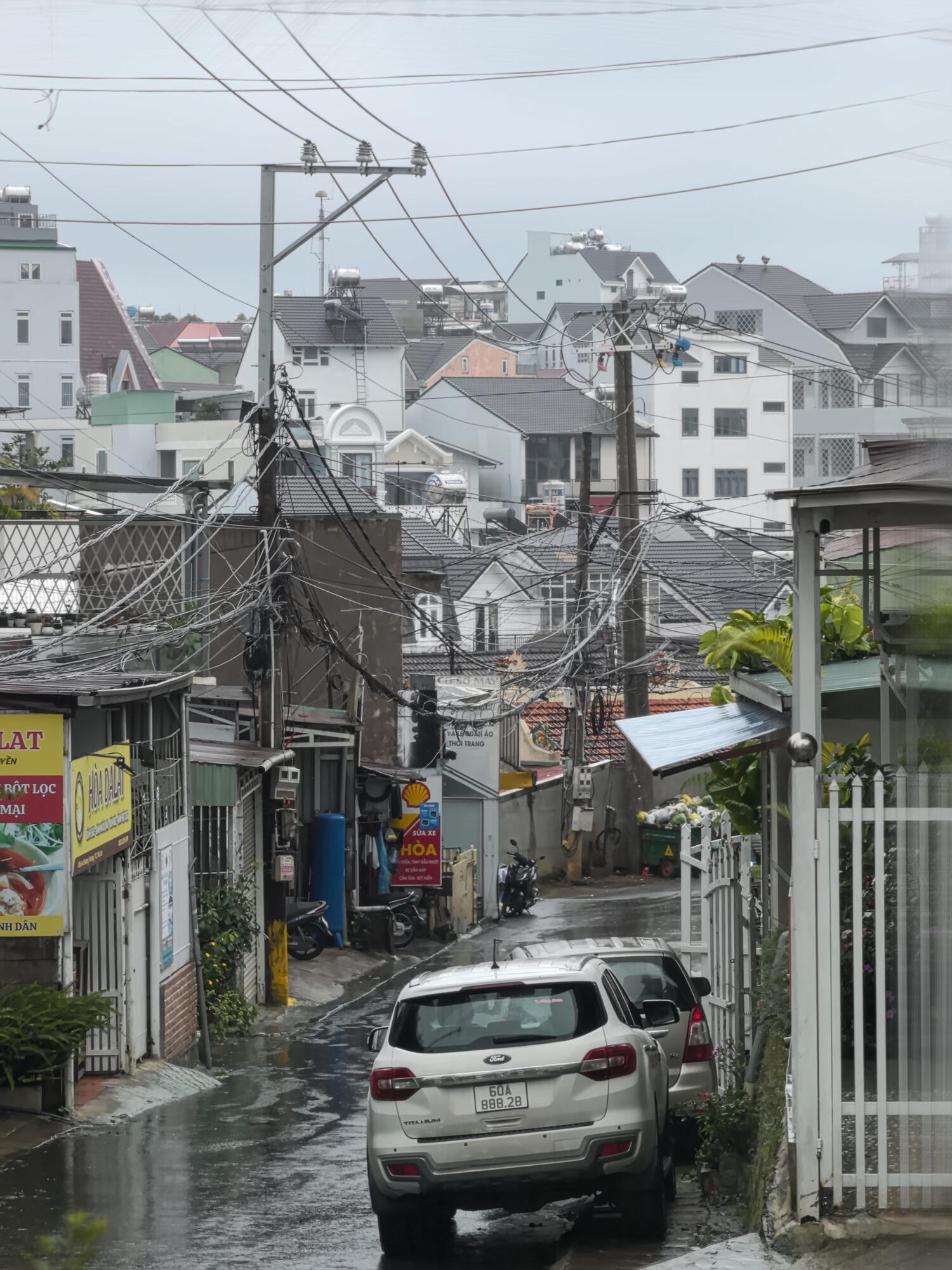
I stood at the exit of the bus station, dragging my luggage, took a deep breath.
First time feeling the rhythm of this trip shifting gears.
Da Lat was a summer resort built by the French in the early 20th century. The colonizers brought French villas, gardens, café culture, brought temperate agriculture—strawberries, artichokes, tomatoes grow here in the highland climate. The French left, these things remained, the Vietnamese turned them into their own.
This is Vietnam's usual approach: take it, modify it, make it your own.
2.2 Lunch at Linh Son Pagoda
July 22, I was wandering around Da Lat alone with a backpack.
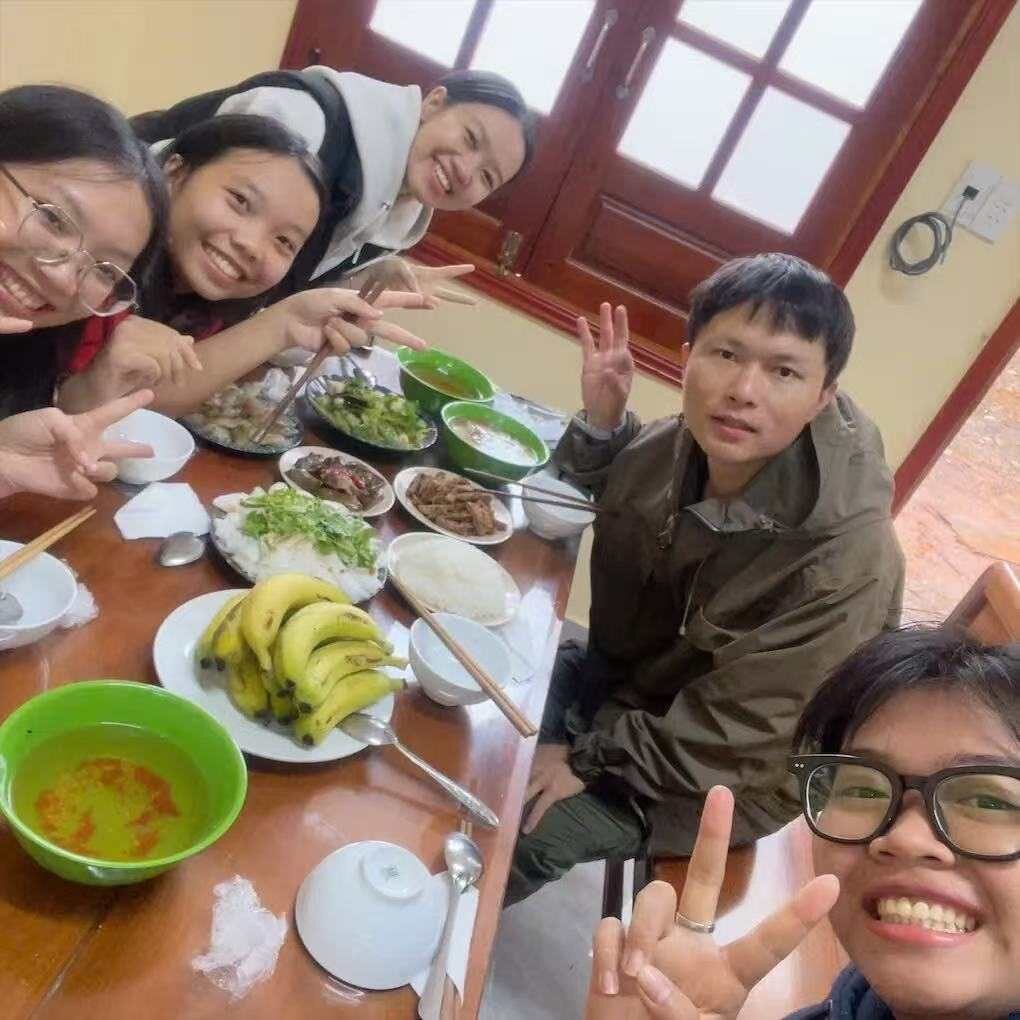
Walked to a local Buddhist temple called Linh Son. Not a tourist spot, just an ordinary Mahayana Buddhist temple, local believers usually come here. I went in, walked around to see the Buddha statues, prepared to leave.
There were several aunties in the backyard, saw me, waved, called me to have lunch together.
They didn't speak Mandarin, I didn't speak Vietnamese. I stood there blankly, then a girl appeared—spoke a little Chinese—helped me translate: "Come, eat together, don't be polite."
Vegetarian food, placed on plastic stools, a big table. Tofu, seasonal vegetables, rice, soup. Simple, clean, hot.
While eating, a tomboy turned and asked me: "You go to Ho Chi Minh? I'll take you on my motorbike!"
I said I just came back from there.
"Then I'll take you to Hanoi!"
Everyone laughed.
There was also an auntie who said she wanted to invite me to stay at her place for two or three days. I said I didn't want to trouble people, thank you, I said I'd treat them to a meal and coffee.
They waved their hands: No need.
I thought for a long time when walking out of Linh Son Pagoda.
There's no interest in this meal, no acquaintance relationship, no reason that makes goodwill under "normal logic" valid. Only a temporary field created by a temple, a stranger traveling alone, and several hearts that happened to be open to you at that moment.
According to Vietnam's social logic, strangers are "outer circle," highly vigilant. But the temple changed this structure, temporarily turning me from outer circle into "one of us."
Tình Cảm needs conditions, but when conditions are met, it makes no sense.
Tình Cảm is a Vietnamese word difficult to translate directly. Literally means "emotion," but Vietnamese use it to describe a way of being: have you established a real connection with a person, a place, a thing? Not through understanding, not through analysis, through feeling, through presence.
That meal was the best I had in Vietnam. Not because of the food, but because of the location and the people on that meal.
2.3 Youth Time Café: A Person Who Gave Up the "American Dream"
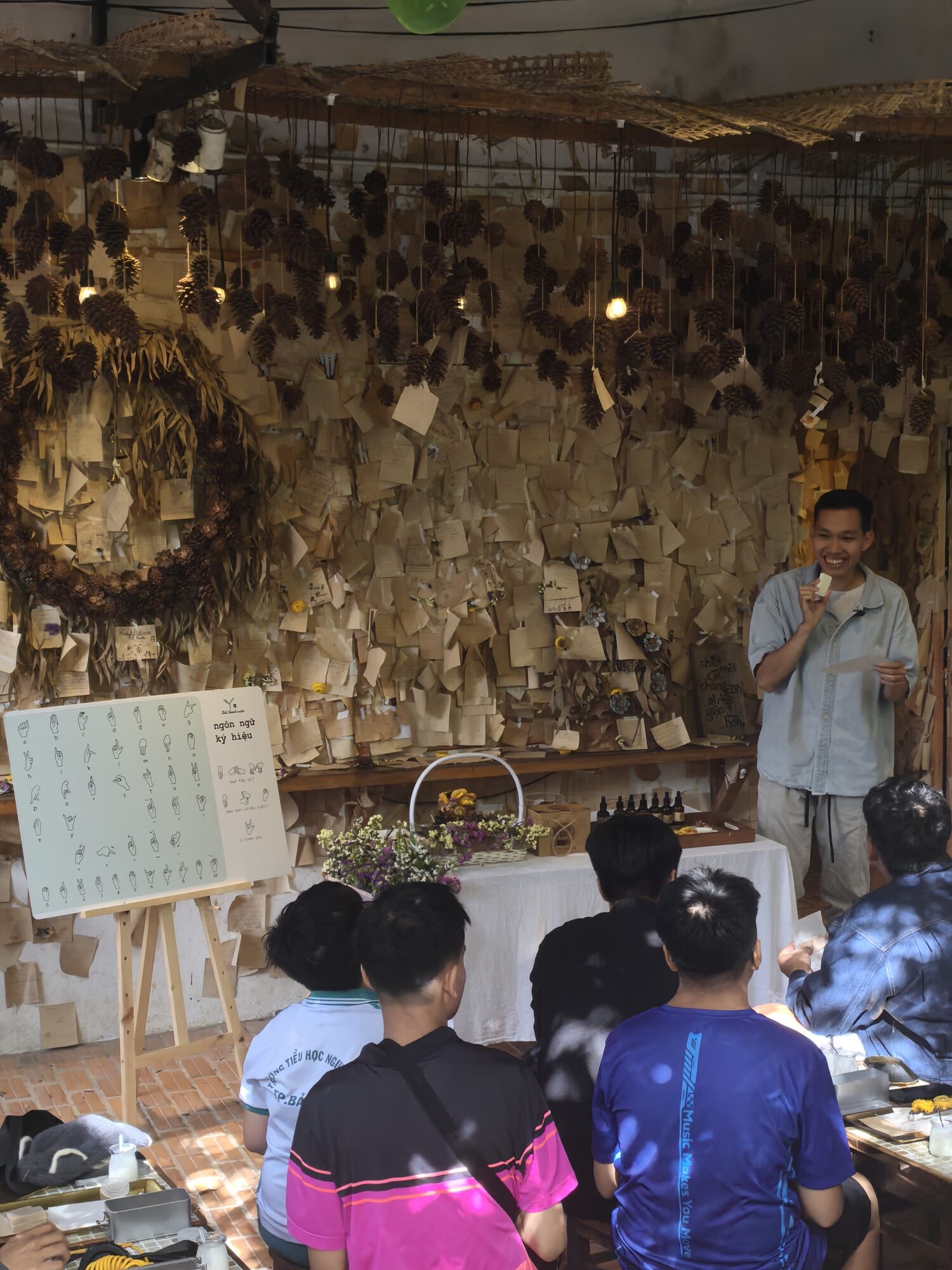
July 25, I walked into a café called "Youth Time" in Da Lat.
After going in I realized, this wasn't just a café.
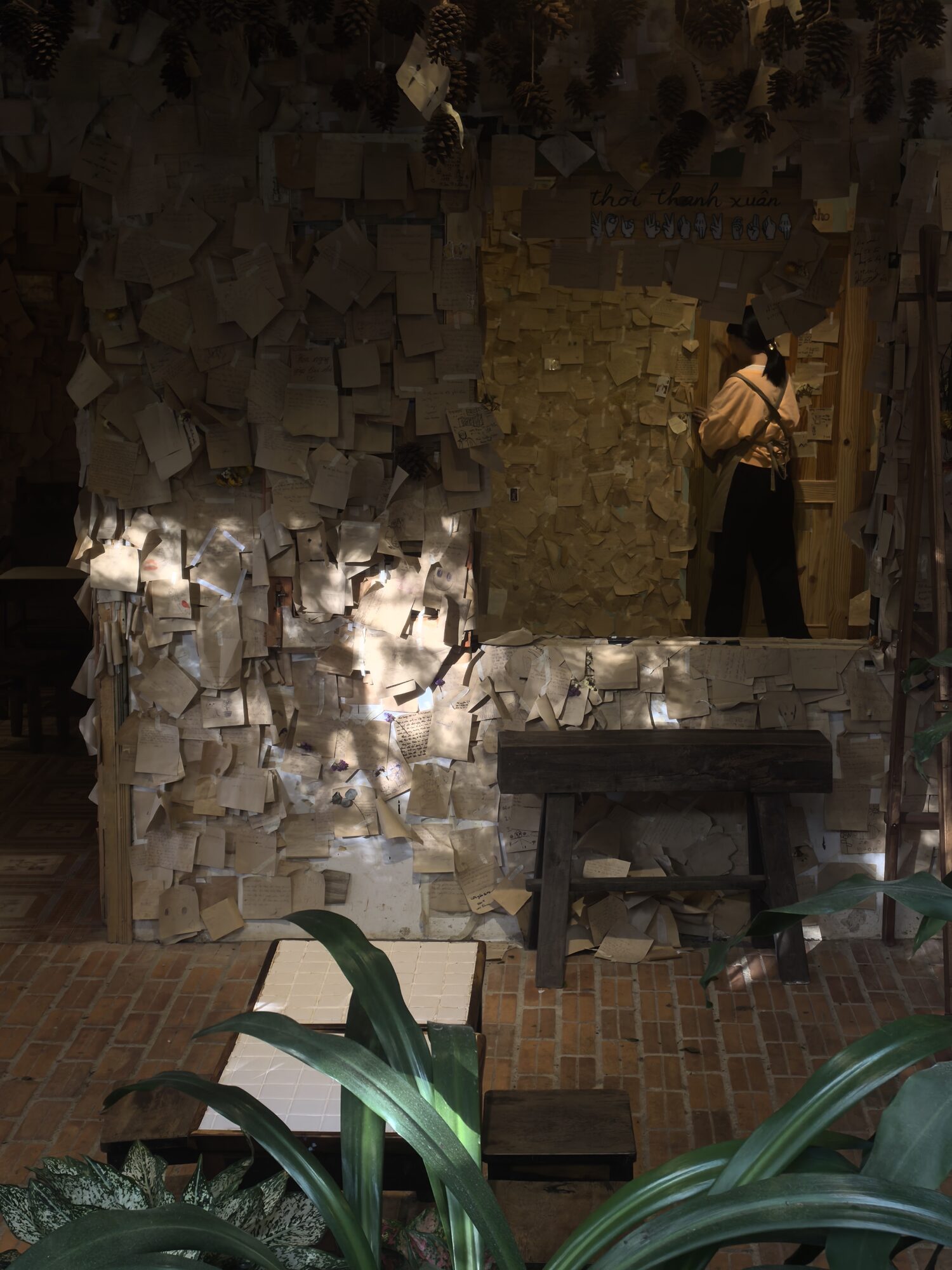
Walls covered with sticky notes in various languages—Vietnamese, English, Chinese, Korean, densely packed, like an open diary. Waiters serving coffee all wore hearing aids, or communicated with colleagues using sign language.
This is a social enterprise providing employment and training for deaf-mute young people.
The founder is Võ Thành Luân.
He originally had an "American Dream"—study psychology in the Philippines, then go to the US. In 2013, Super Typhoon Haiyan hit the Philippines, he witnessed the suffering in the disaster, saw the cruelty of the wealth gap. He stopped there, started asking a question: "People only live once, how should we choose to live?"
He gave up his studies, returned to Vietnam, created this café in Da Lat.
He deliberately uses "người điếc" (deaf person) instead of "người khiếm thính" (hearing-impaired person), because he learned that in deaf culture, the former is a more direct, more respectful term.
I sat there, watching waiters communicate in sign language, looking at those sticky note walls, thought of one thing:
The "American Dream" he gave up was a narrative. What he chose was another narrative.
Narrative determines how you understand your actions, determines what you can feel meaning toward. In the ruins of the typhoon, Luân's narrative fractured, then he rewrote one himself.
In our respective lives, we all have such moments—the old narrative失效 s, you have to重新 choose what story to use to explain why you're here.
When leaving, I left a sticky note on the wall. Wrote in Chinese. Don't know how many people can read it, but it doesn't matter. What matters is, I was there, at that moment, participated in part of that wall.
2.4 Life's Ashtray
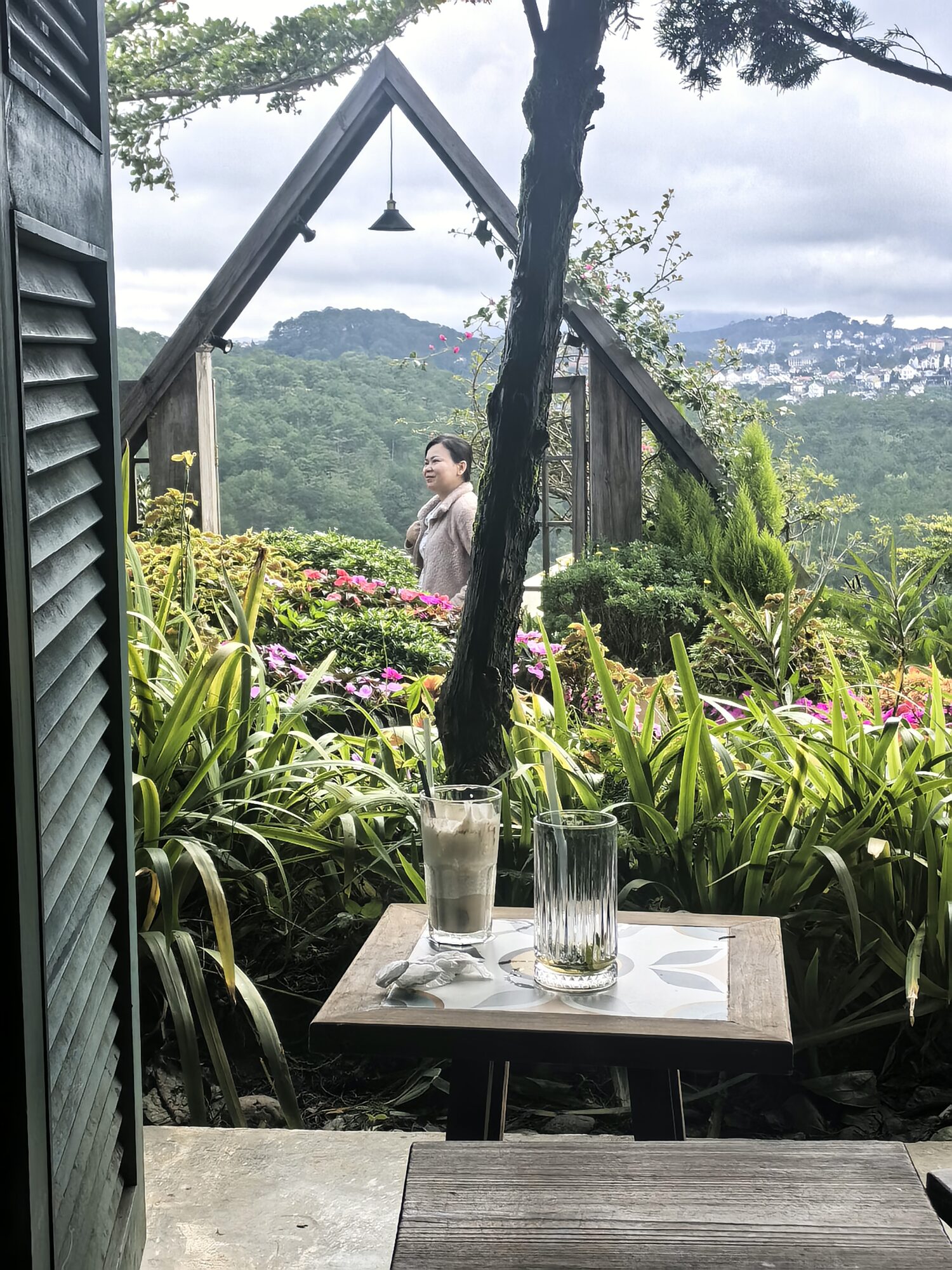
August 2, 3 PM, Da Lat weather was rarely good.
I walked into a café called "Gạt tàn đời."
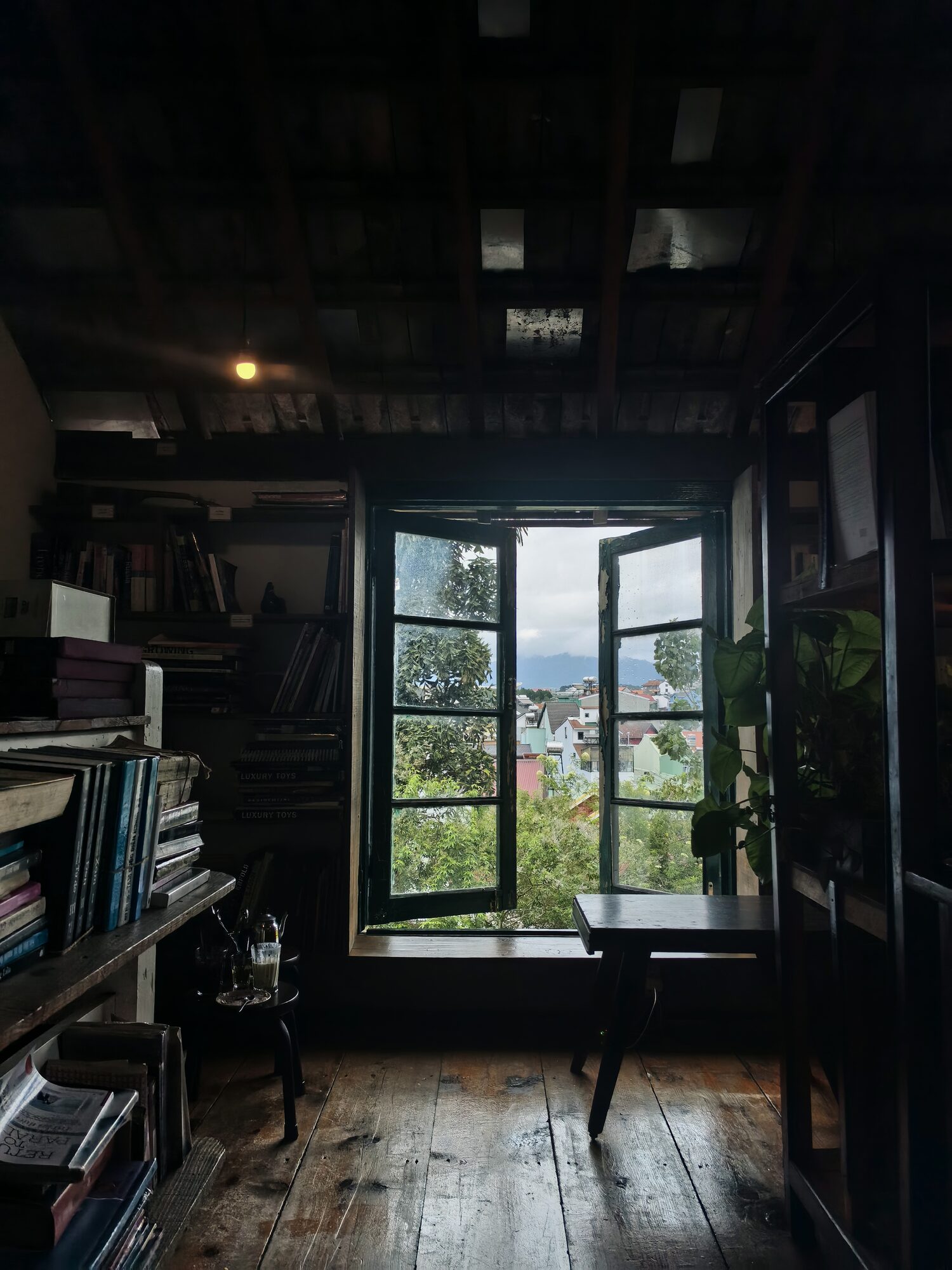
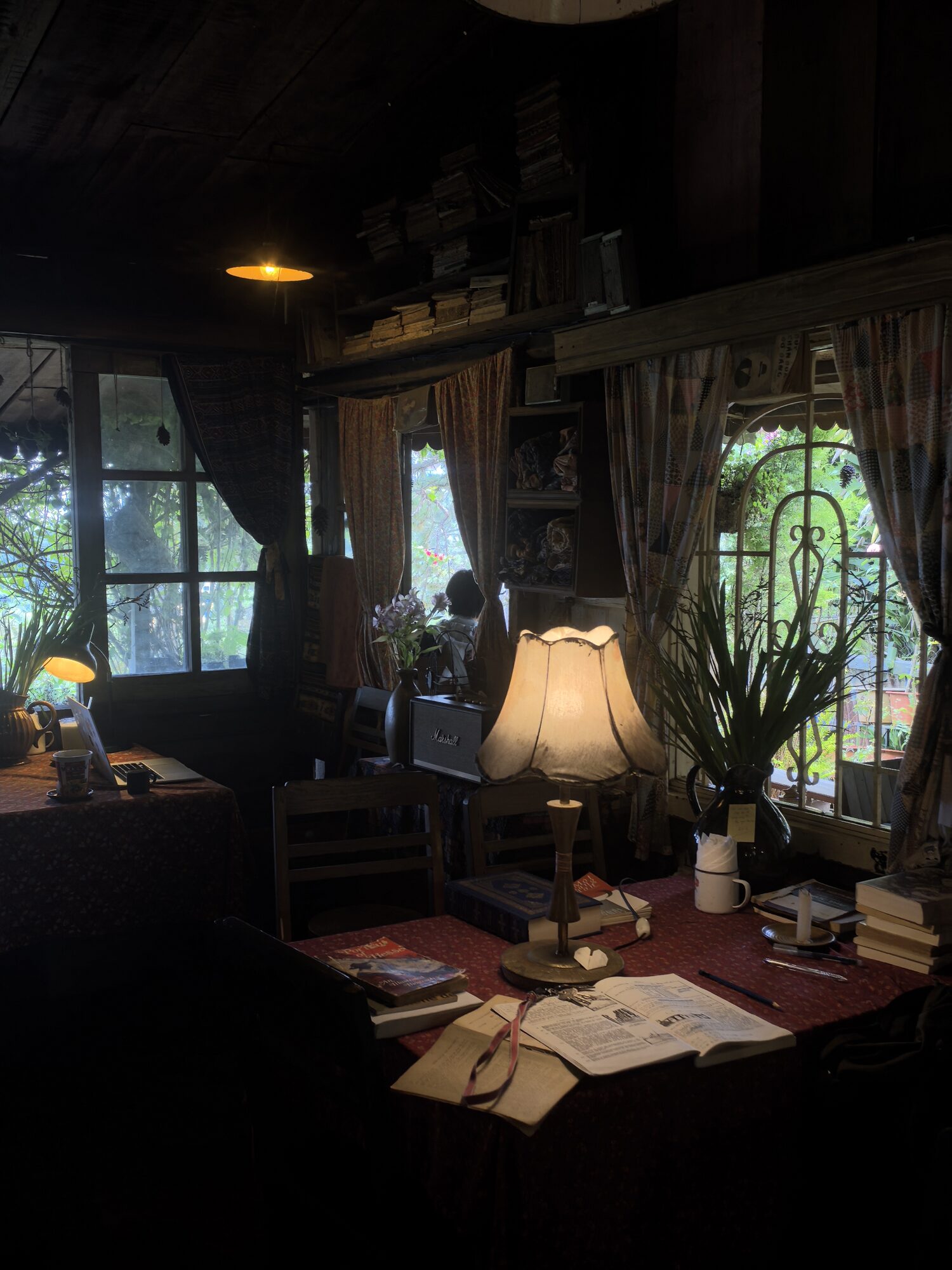
The café was in an inconspicuous alley, the owner was a woman in her thirties, quiet, didn't speak proactively. I ordered the signature matcha latte, sat by the window.
"What does this name mean?" I asked.
"Gạt tàn đời," she thought for a moment, "'Life's Ashtray'."
Vietnamese old songs played in the shop, very light and slow. Wooden tables polished smooth by time, like stroked by countless stories. Rain sounds outside, music inside, plus whispers of couples in the corner. Three sounds mixed together, like a quiet concerto.
The owner was from Hanoi. Five years ago traveled through Da Lat, discovered this place was especially good, stayed. No more complex reason.
"No regrets?"
"Why regret?"
She read in the corner, occasionally following the music gently moving her fingers. At that moment I suddenly understood one thing:
"Life itself is poetry," not a metaphor, a choice.
You can understand life as a competition that needs to be won, or you can understand it as a poem that needs to be experienced. Which understanding you choose, your whole action system changes accordingly.
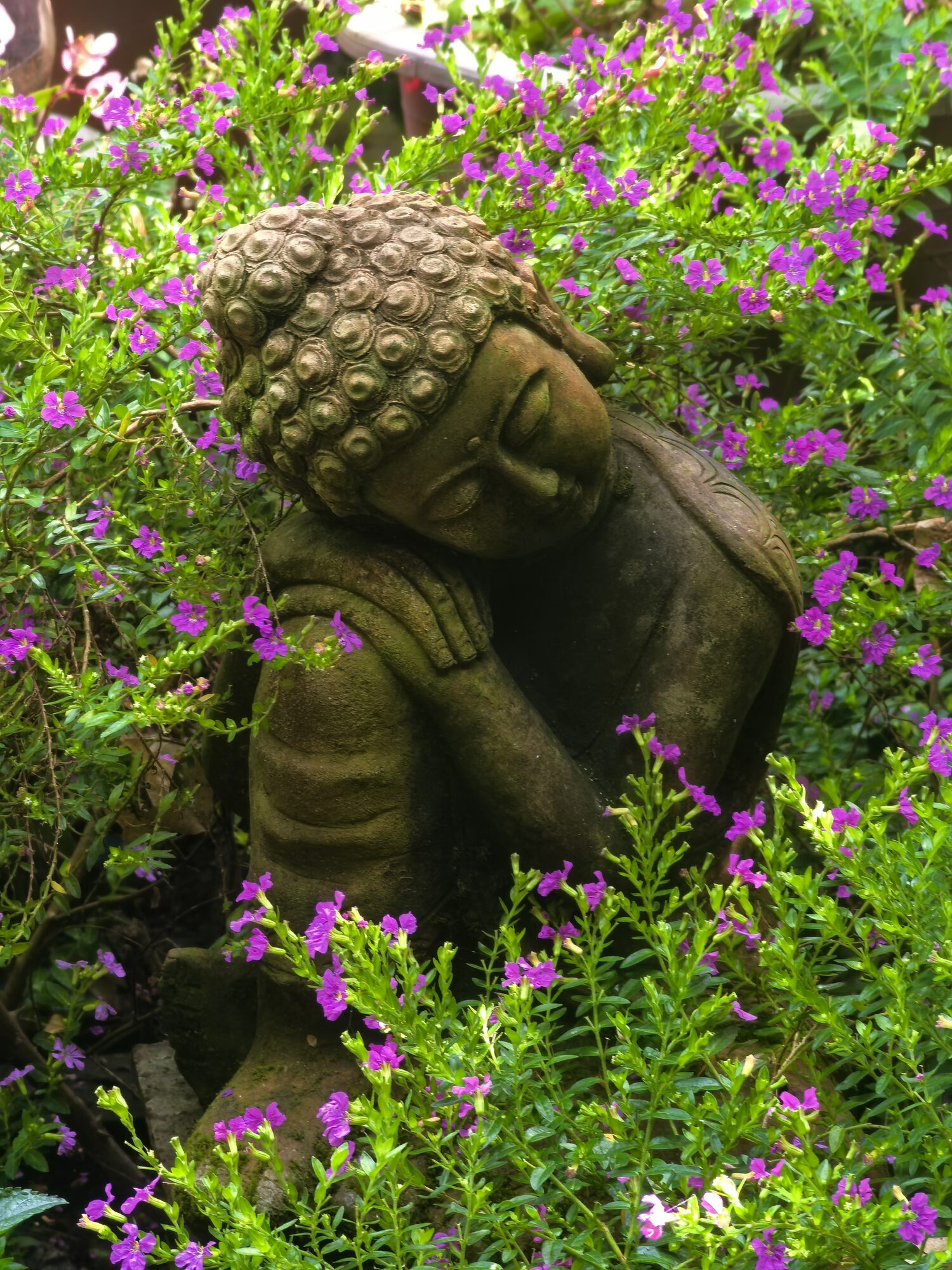
I sat for a whole afternoon, did nothing. Watching light spots on green leaves, watching white butterflies chasing each other in the yard, watching clouds moving on distant mountaintops.
Those usual burning anxieties and impatience, that afternoon, slowly extinguished.
Turns out some places exist just to let you stop. Not for taking photos, not for checking in, to let your soul rest its feet.
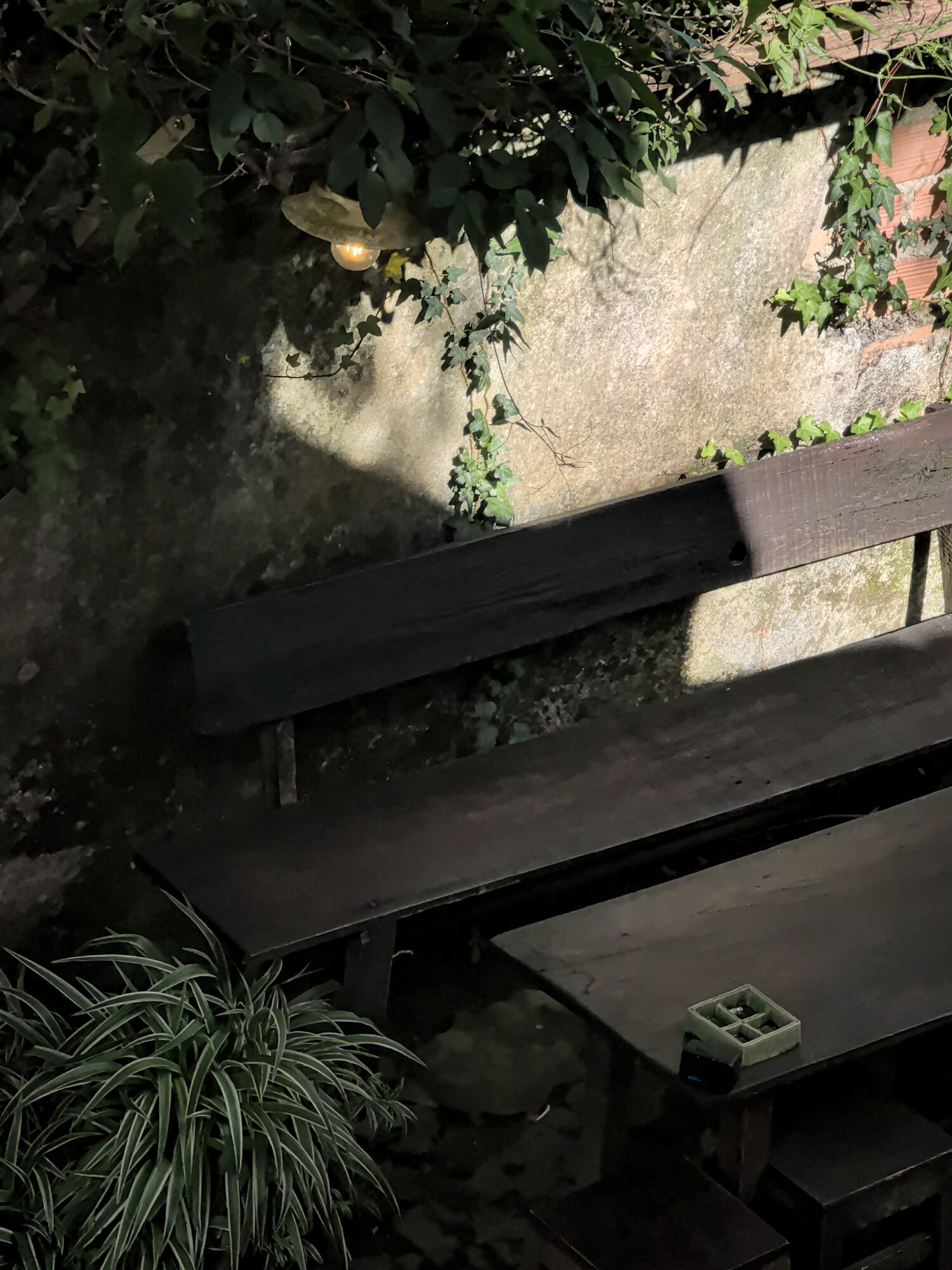
Da Lat was the slowest-paced place in these sixty days. It used low temperature and rainy days to force you to slow down. My thirteen days here were the closest to "stillness" in the entire journey. Not that nothing happened, but what happened was very small, but all real.